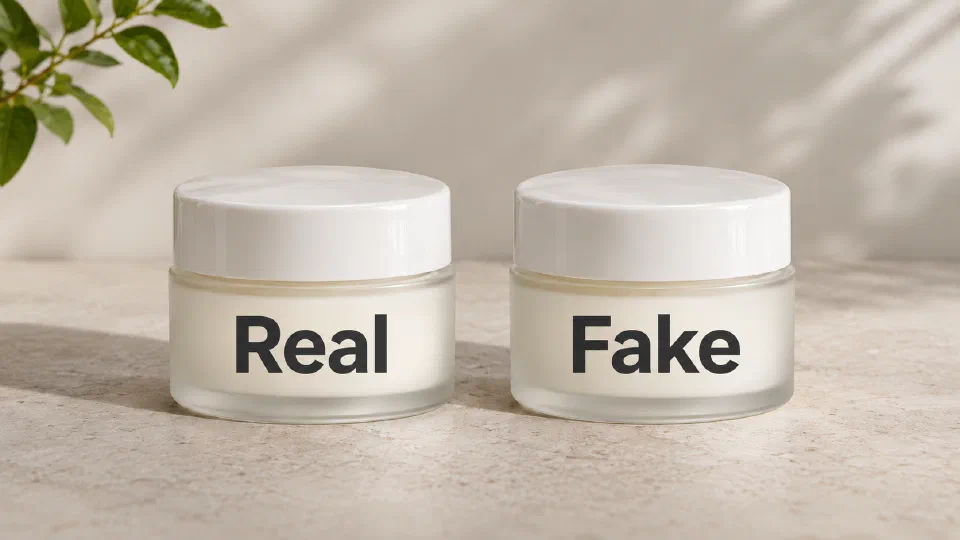
Counterfeit cosmetics: why product identity and traceability matter
Tests of seized counterfeit cosmetics found potentially harmful substances. Here's what the findings say, and what they cannot tell us about the wider market.
5 min read
Tests of seized counterfeit cosmetics found potentially harmful substances. Here's what the findings say, and what they cannot tell us about the wider market.
5 min read

FDA's final guidance explains when it can order a cosmetic recall and how brands can prepare their product and distribution records.
5 min read

A formula can look unchanged while its pump stops working properly. Plan the study around both the contents and the complete pack.
3 min read
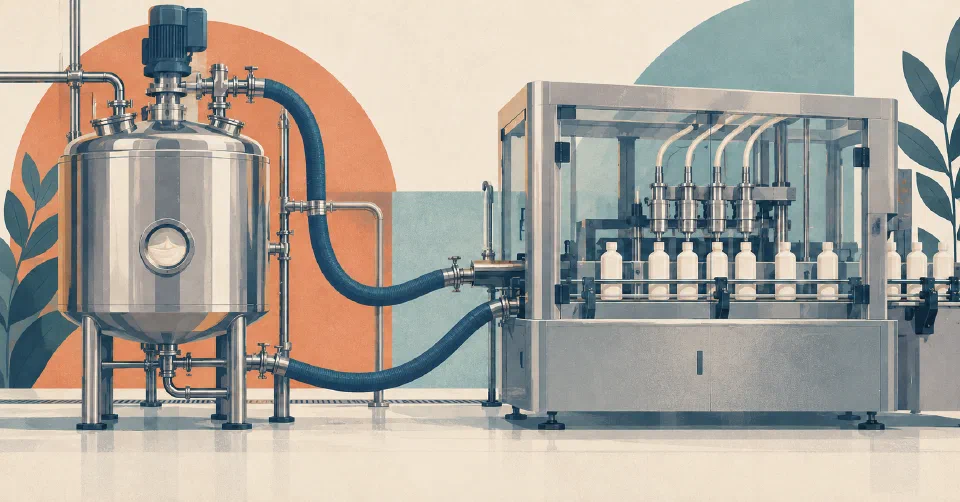
Follow the batch through hoses, holds, pumps, and filling. Each stage can raise a different contamination question.
3 min read
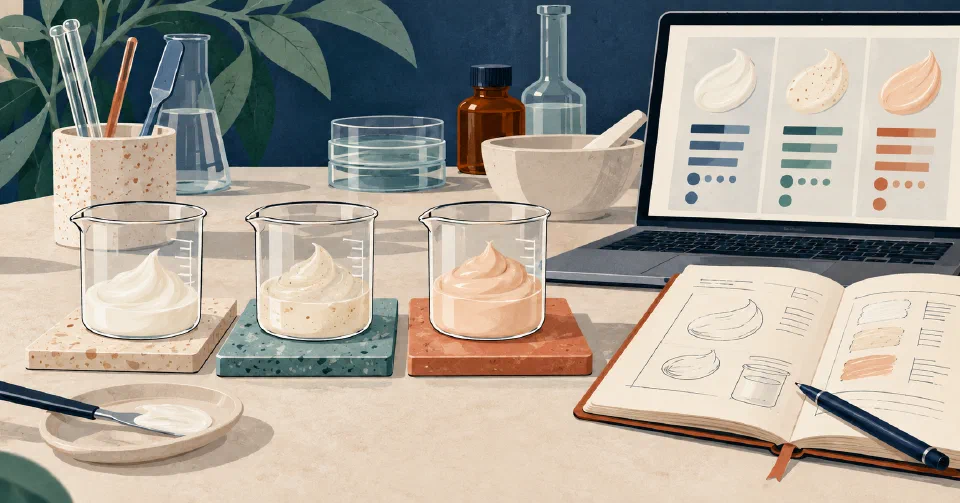
A pilot ticket says version 3, but its quantities match version 4. Here is how clear formula history helps resolve that mismatch.
3 min read
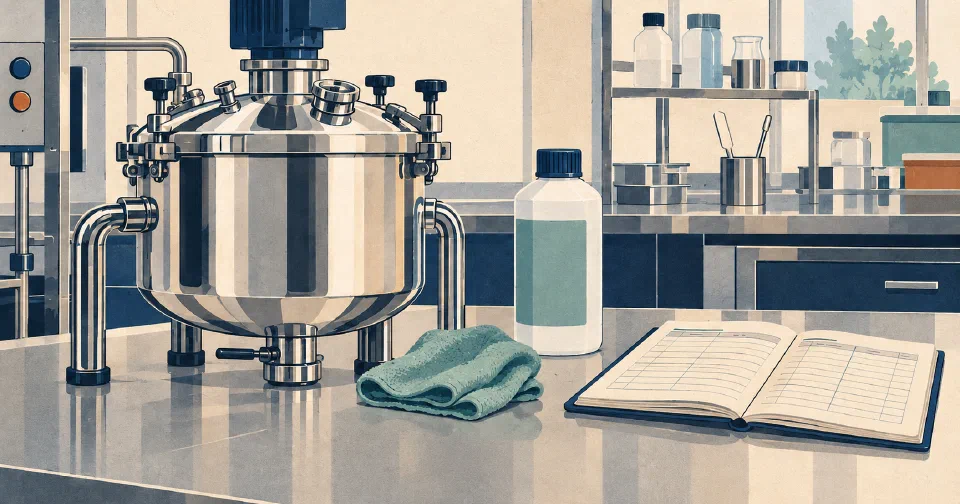
A cleaning log should explain the work and any problem left to resolve. Follow a vessel with residue through the record and its follow-up.
2 min read
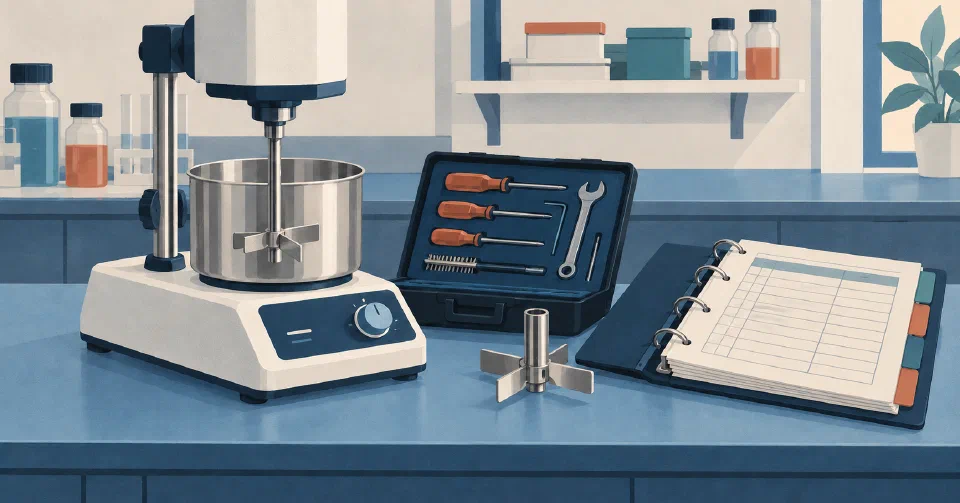
When a mixer fault returns, two entries saying “serviced” are not enough. Keep the findings, repairs, checks, and equipment use together.
2 min read
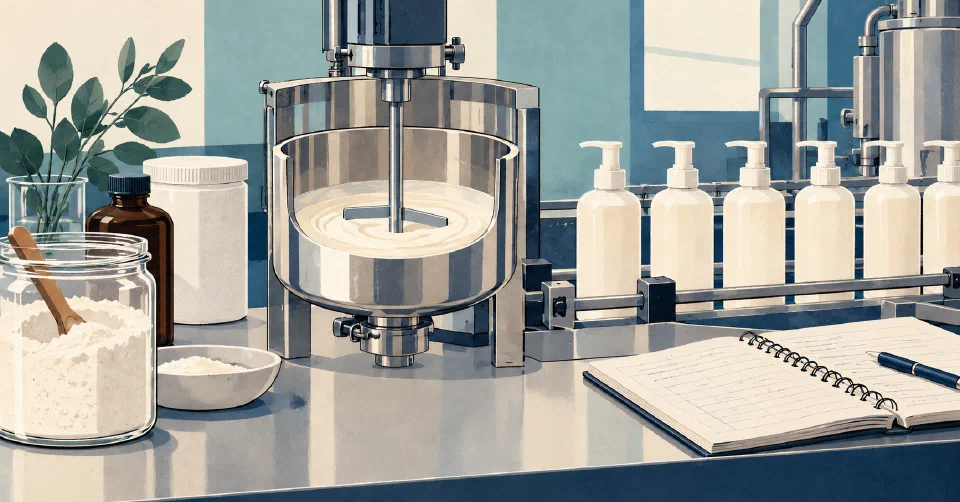
Follow two ingredient lots into one bulk batch and two filling runs to see where traceability records commonly lose the connection.
3 min read
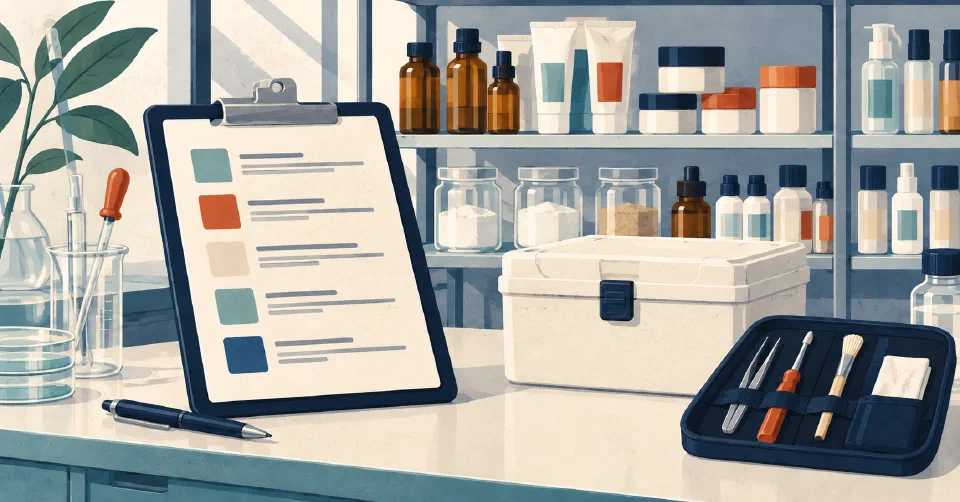
A finding marked “done” may leave the original problem unresolved. Follow one bottle-status issue from inspection to review.
2 min read