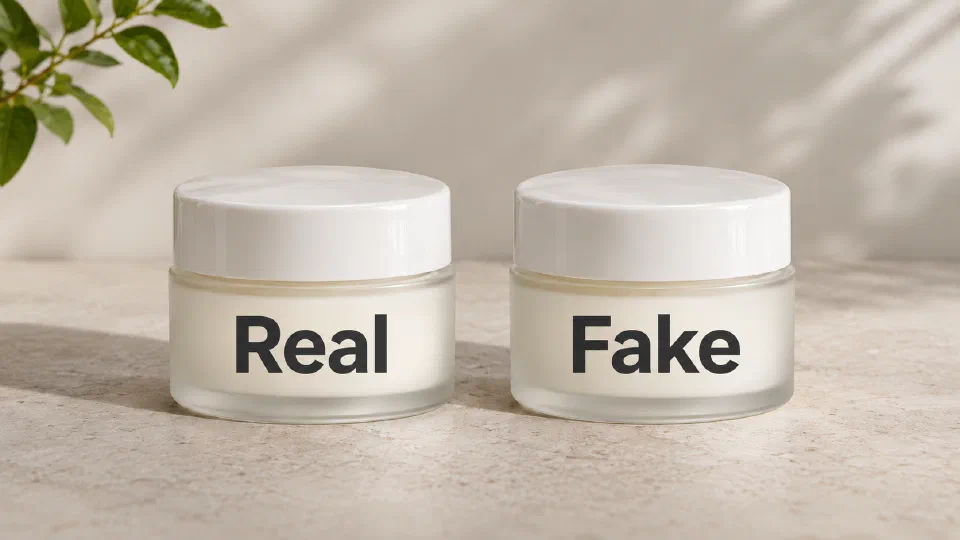
Counterfeit cosmetics: why product identity and traceability matter
Tests of seized counterfeit cosmetics found potentially harmful substances. Here's what the findings say, and what they cannot tell us about the wider market.
5 min read
Three perspectives on the science and craft of cosmetics.
Tests of seized counterfeit cosmetics found potentially harmful substances. Here's what the findings say, and what they cannot tell us about the wider market.
5 min read

Glycerin’s hydration results depend on the formula and test. Look at concentration, water loss, and after-feel when comparing moisturisers.
3 min read
Lather can be part of a good cleanser experience. Measuring it does not measure makeup removal or establish skin tolerance.
3 min read

A formula can look unchanged while its pump stops working properly. Plan the study around both the contents and the complete pack.
3 min read

The familiar 5% study, oil measurements, and barrier research answer different questions. Use those differences to plan the next formula comparison.
3 min read

Follow the batch through hoses, holds, pumps, and filling. Each stage can raise a different contamination question.
3 min read
Two formulas can share pH 5.2 and respond differently to an addition. Understand buffer capacity, measurement conditions, and the limits of a pH result.
3 min read

A measurement at 09:10, an entry at 09:25, and a review at 10:00 are different events. A laboratory record should make each understandable.
3 min read
A pilot ticket says version 3, but its quantities match version 4. Here is how clear formula history helps resolve that mismatch.
3 min read