Publication credit
Cosmetic Affairs Editorial
The publication credit used for Cosmetic Affairs explainers, editorial notes, and source briefings.
Cosmetic Affairs Editorial is the publication credit for the journal’s shared explainers, reading notes, and regulatory briefings. It identifies the publication responsible for the page; it does not imply a particular scientific qualification or an independent reporting team.
Individual contributors can be credited through their own profiles. When a named reviewer checks an article, the page identifies that reviewer and the review date separately from its publication date.
Our editorial policy explains how we use sources, distinguish evidence from interpretation, and record corrections.
Published articles
27 articles
No articles match. Try another word, section, or topic, or clear the filters.
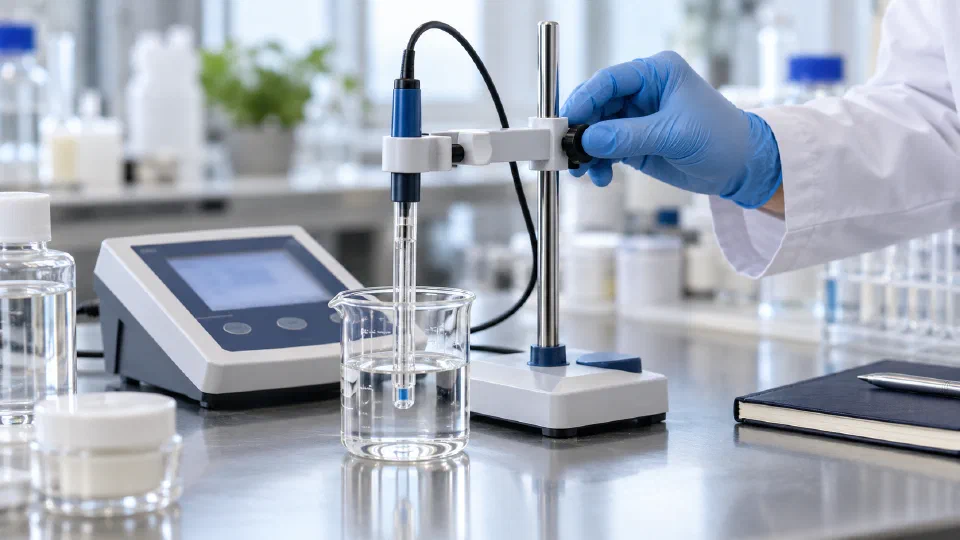
Before the Next Test: Recording Instrument Readiness
Learn what instrument readiness records should capture, how to handle failed checks, and where software can support reliable cosmetic laboratory work.
4 min read
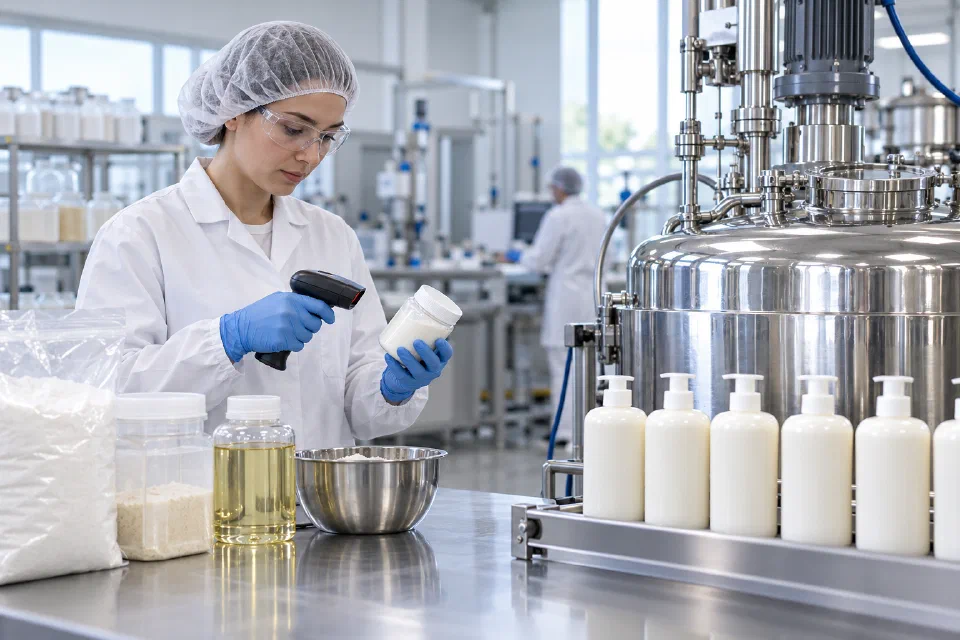
Cosmetic Batch Traceability: From Raw Material Lot to Finished Product
Connect incoming material lots, actual consumption, bulk batches, filling runs, and finished-product records for practical cosmetic traceability.
5 min read
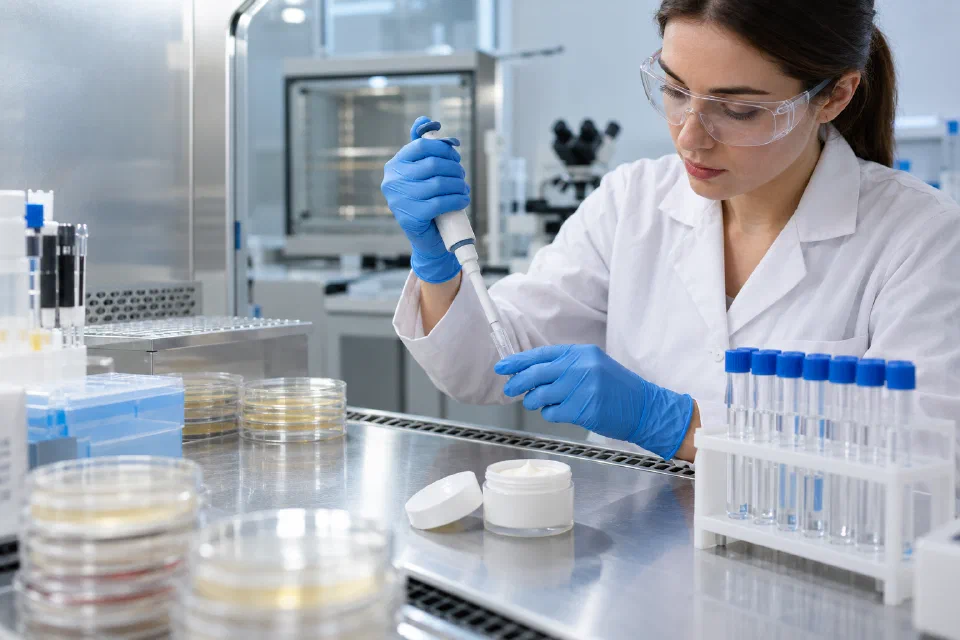
Cosmetic Challenge Testing: What the Results Tell You and How to Document the Decision
Understand the scope of cosmetic challenge testing and connect sample identity, method suitability, report review, and the resulting product decision.
6 min read
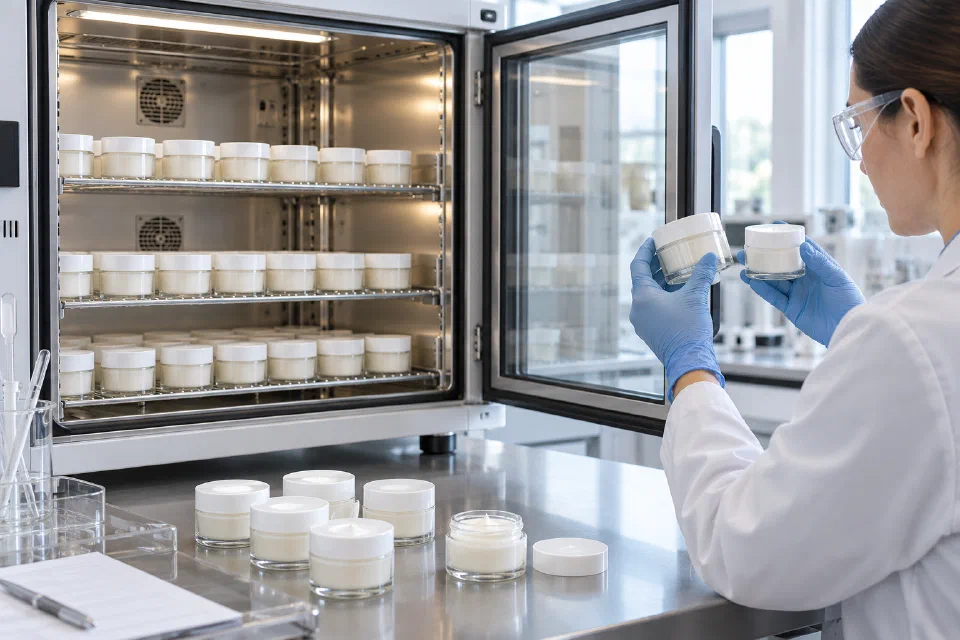
Cosmetic Stability Testing: Planning the Study and Keeping Useful Records
Plan a product-specific cosmetic stability study and connect formula versions, packaging, samples, measurements, deviations, and conclusions.
6 min read
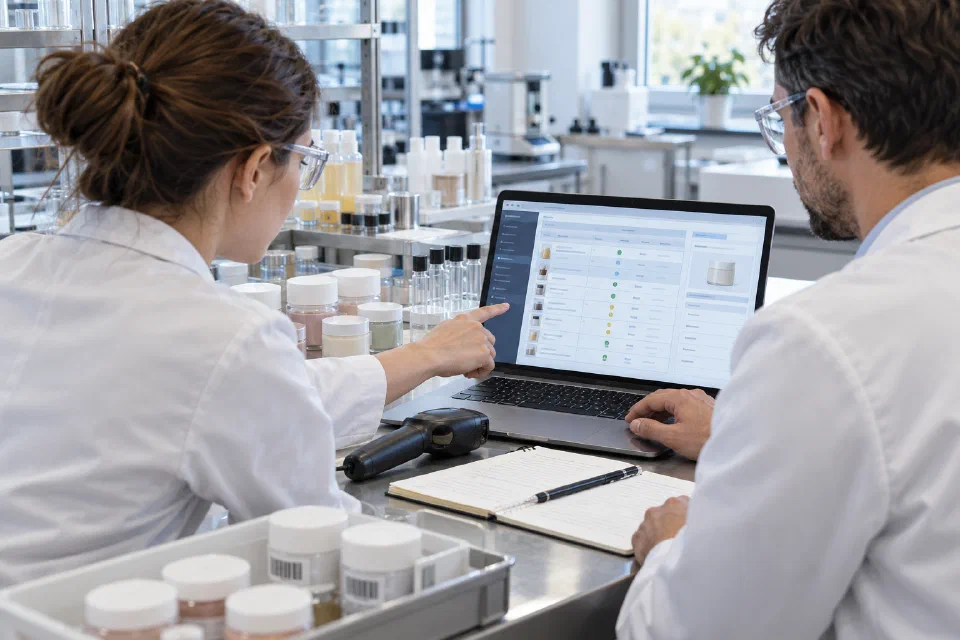
ELN, LIMS or QMS? Choosing Software Around Your Cosmetic Business's Workflows
Compare ELN, LIMS, and QMS support through the formulation, testing, equipment, and production handovers your cosmetic business needs.
5 min read
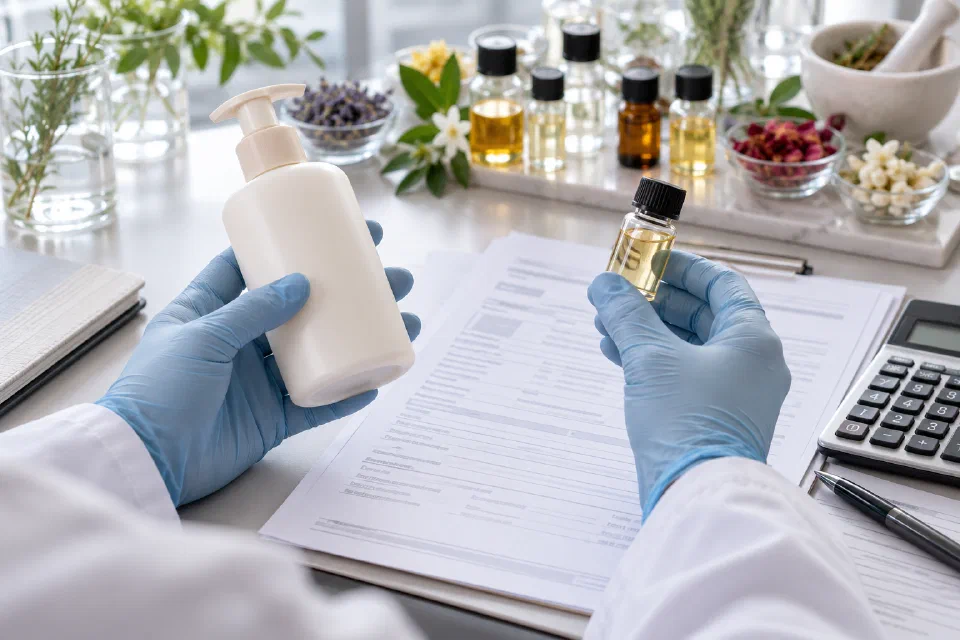
EU Fragrance Allergen Labelling After July 2026: What Teams Should Check Now
Review EU fragrance-allergen calculations, supplier declarations, artwork, and transition evidence after the July 2026 placing-on-the-market deadline.
5 min read
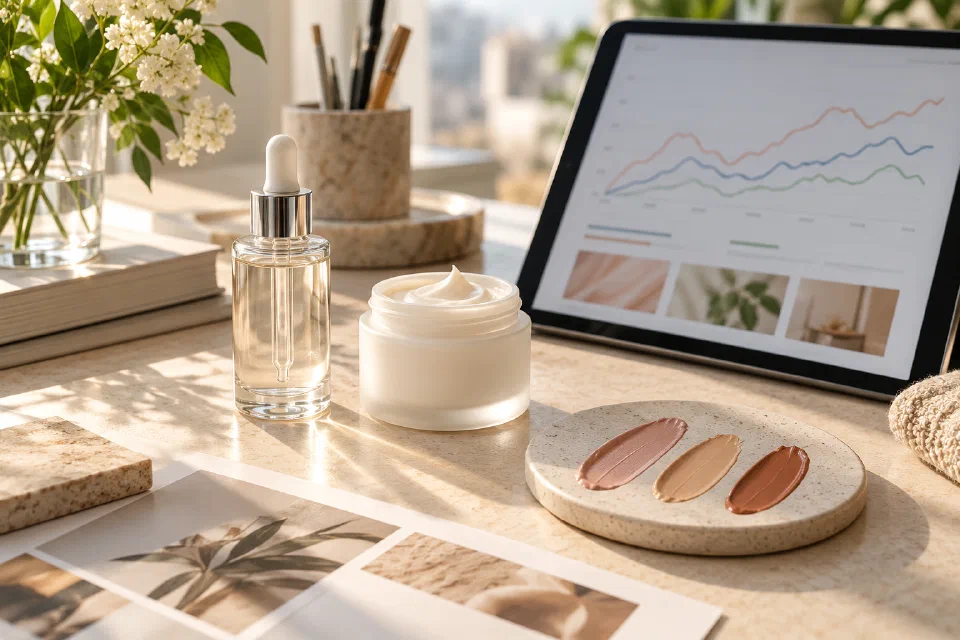
Google’s 2026 Italy Beauty Trends: Three Signals for Cosmetic Developers
Turn Google's Italian beauty-search signals on PDRN, Korean skincare, and tinted products into specific cosmetic development questions.
4 min read
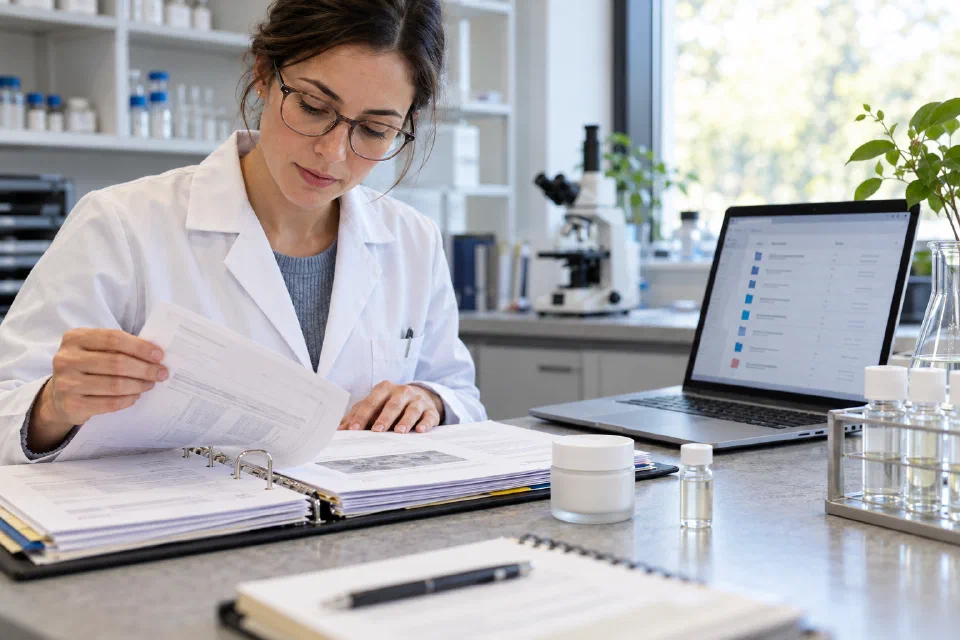
MoCRA Safety Substantiation: Organising the Evidence Behind a Cosmetic Product
Organise the product identity, scientific evidence, assessment reasoning, and change history supporting cosmetic safety substantiation under MoCRA.
6 min read
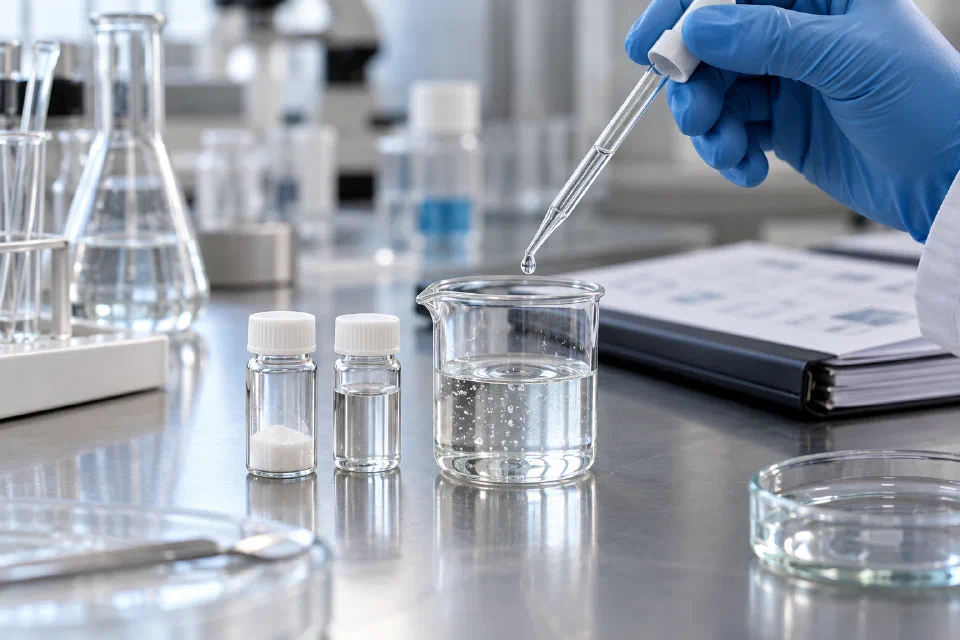
PDRN in Skincare: Questions to Ask Before Choosing an Ingredient
Evaluate PDRN raw-material identity, supplier specifications, study relevance, intended claims, and formulation questions before selecting an ingredient.
6 min read
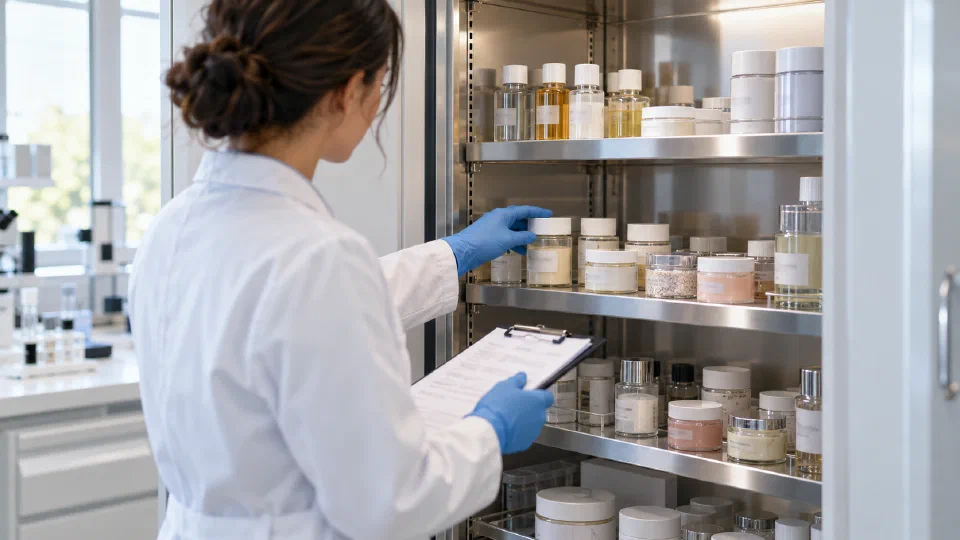
Routine Lab Inspections: Turning Findings Into Completed Actions
Build laboratory inspection records that connect observations with owners, due dates, corrective work and evidence that each finding has been resolved.
4 min read
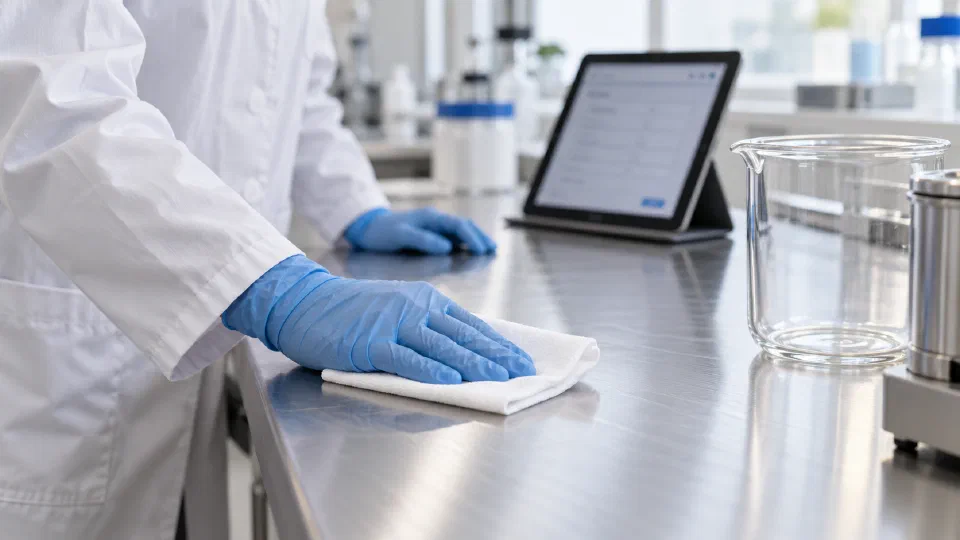
What a Useful Laboratory Cleaning Log Should Record
Build cleaning logs that show what happened, who did the work and how issues were resolved, with practical guidance for cosmetic labs and digital records.
4 min read

When an Ingredient Supplier Changes a Specification: Who Needs to Know?
Route supplier specification changes through purchasing, formulation, quality, safety assessment, and manufacturing with clear evidence and decisions.
6 min read
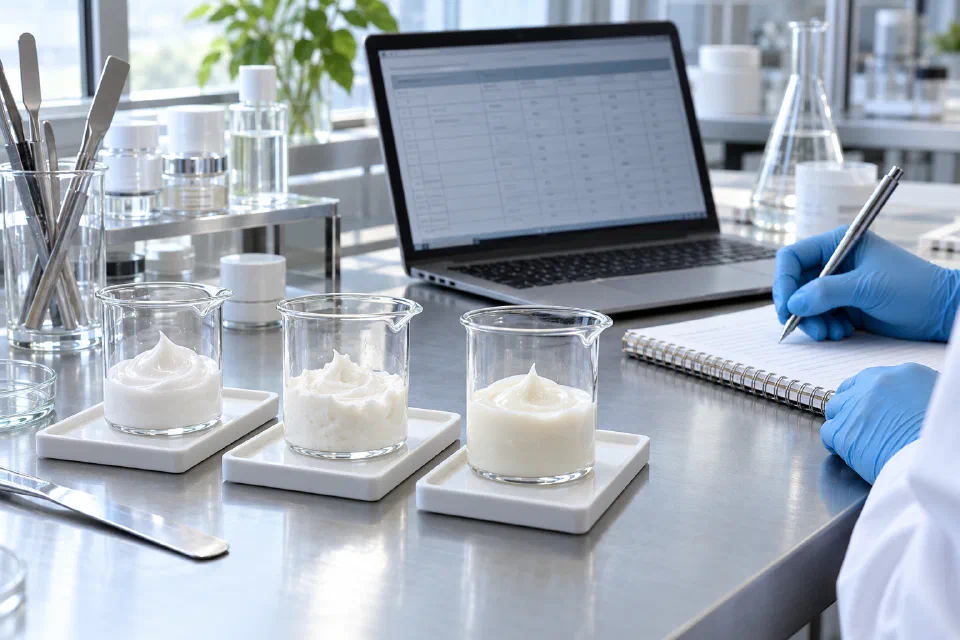
Which Formula Did We Actually Make? Managing Cosmetic Formula Versions
Keep formula revisions, development samples, test evidence, and manufacturing instructions connected without rewriting earlier product history.
5 min read
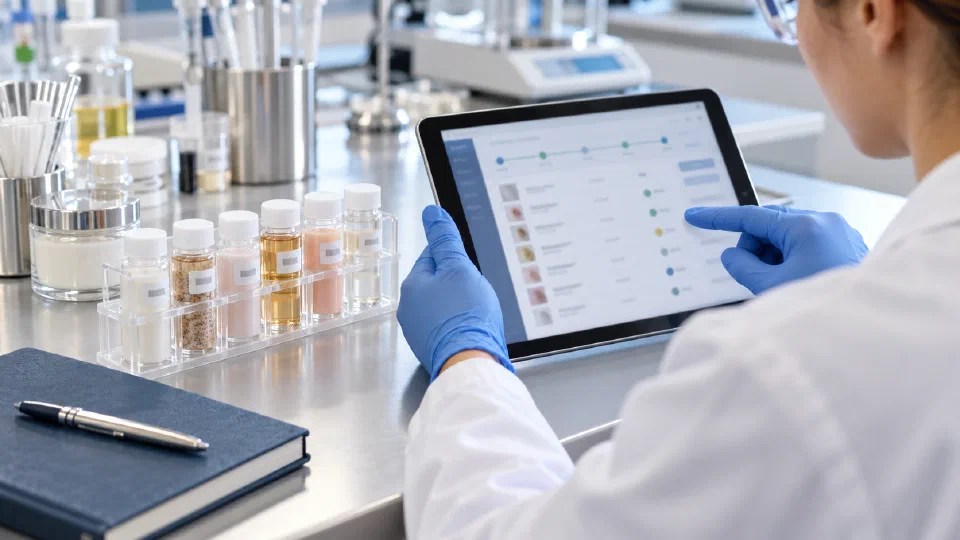
Who Did What and When? Making Lab Records Easy to Reconstruct
Make cosmetic lab records easier to reconstruct with clear ownership, timestamps, correction history and practical checks for digital traceability systems.
4 min read
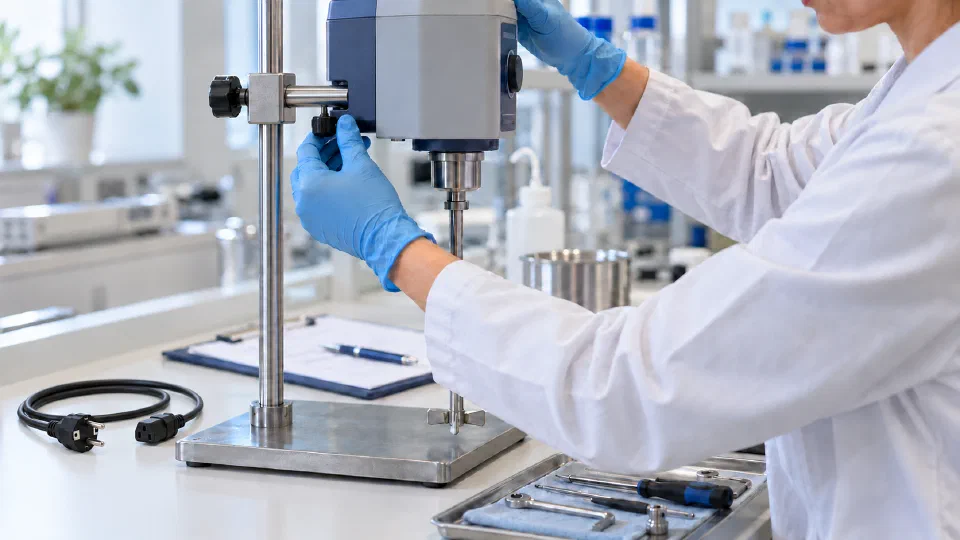
Why Equipment Maintenance History Matters
Explore how maintenance records help cosmetic laboratories assess equipment condition, investigate faults and document a justified return to use.
4 min read
EU fragrance allergens: the two transition dates.
The July 2026 placing-on-market transition has passed. A separate July 2028 date concerns making eligible products available.
1 min read
FDA’s records-access draft puts documentation in focus.
A January 2026 draft explains FDA records-access authorities under MoCRA. Its status remains distinct from a final rule.
1 min read
OPSS ingredient-safety call: keep the deadline with the story.
The updated call listed June 30, 2026 as its submission deadline. That date has passed; the request is a source for following the assessment process.
1 min read
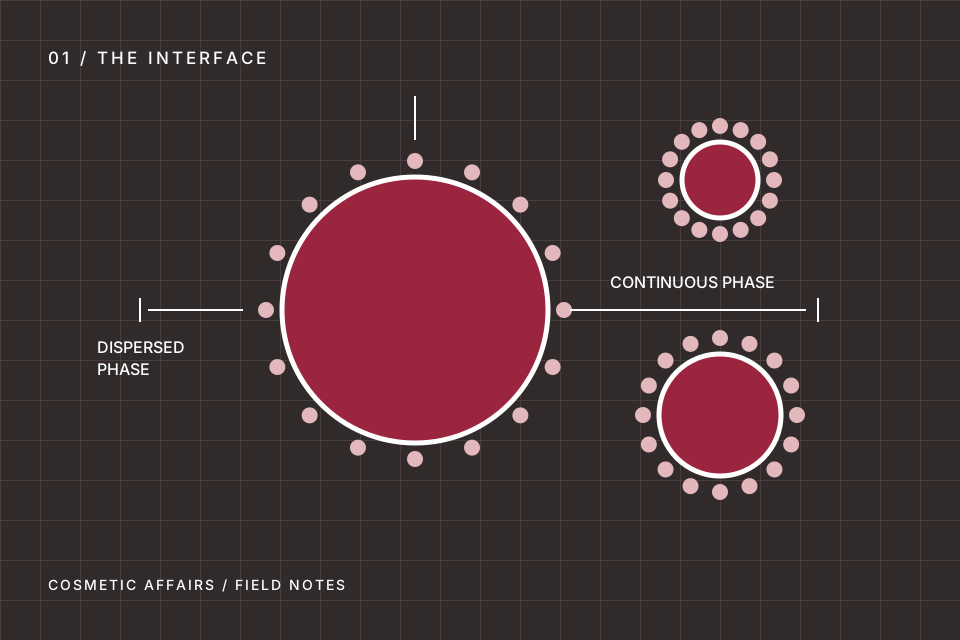
A better emulsion starts with the interface.
Oil, water, and the space between them. A visual introduction to one of cosmetic chemistry's most useful ideas.
2 min read
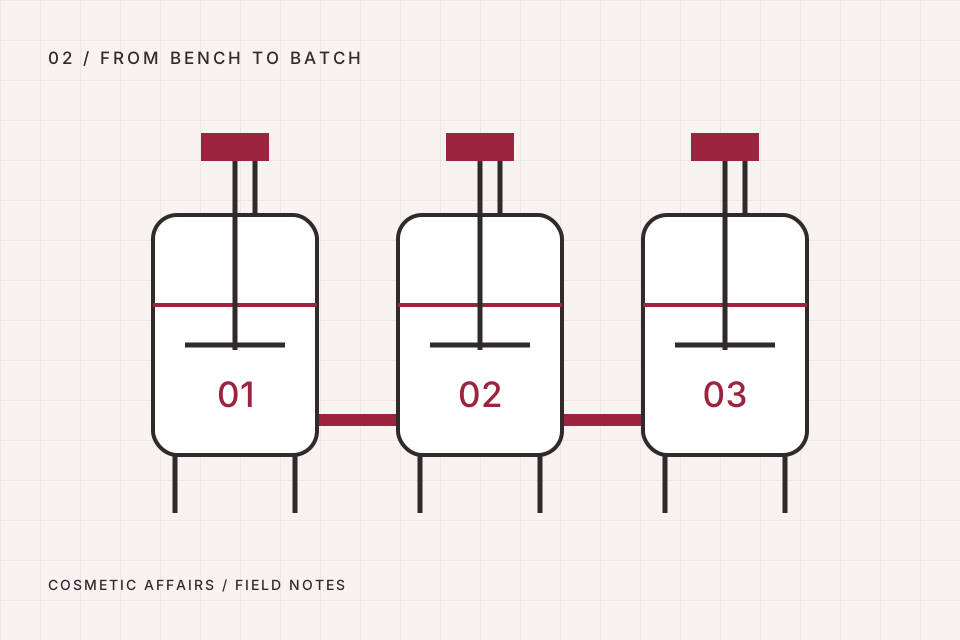
From bench to batch: questions worth carrying forward.
A promising lab sample is the beginning of a manufacturing conversation. Here is a useful way to organize it.
2 min read
Introducing Cosmetic Affairs: a journal for the curious.
A first note from the editorial desk, and a look at the conversations we want to open.
1 min read
In the reading room: start with the primary source.
A practical editorial habit for reading a regulatory headline without losing the context.
1 min read
An ingredient list is a starting point, not the whole story.
Names are useful. Context makes them more useful. A thoughtful approach to reading the back of a cosmetic package.
2 min read
Three questions to carry into your next reading session.
A reading route through formulation notes, manufacturing handoffs, and ingredient claims.
1 min read
How to write a useful texture note.
Move beyond “rich” and “light” with observations that another reader can understand and discuss.
2 min read
The quiet value of a readable batch record.
A batch record is also a communication tool. Structure it so the next person can follow the work.
2 min read
Ask a better question about an ingredient.
A small change in the question can turn a broad claim into a more useful investigation.
2 min read