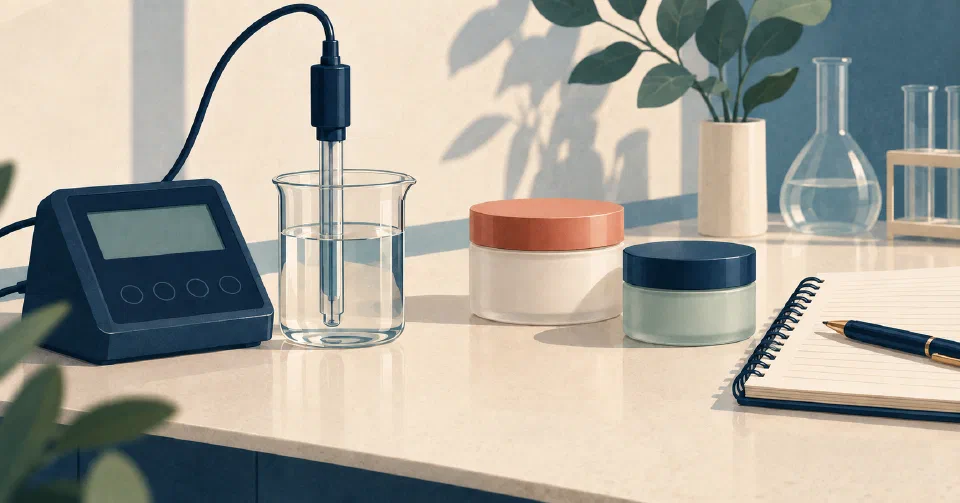
pH and buffer capacity: why the same reading can behave differently
Two formulas can share pH 5.2 and respond differently to an addition. Understand buffer capacity, measurement conditions, and the limits of a pH result.
3 min read
The latest from our journals, news desk, and regulatory coverage. Explore the science behind the everyday.
Two formulas can share pH 5.2 and respond differently to an addition. Understand buffer capacity, measurement conditions, and the limits of a pH result.
3 min read

FDA’s decision adds a filter option under specific conditions. Check format, supply, product testing, and packaging before planning a US launch.
3 min read
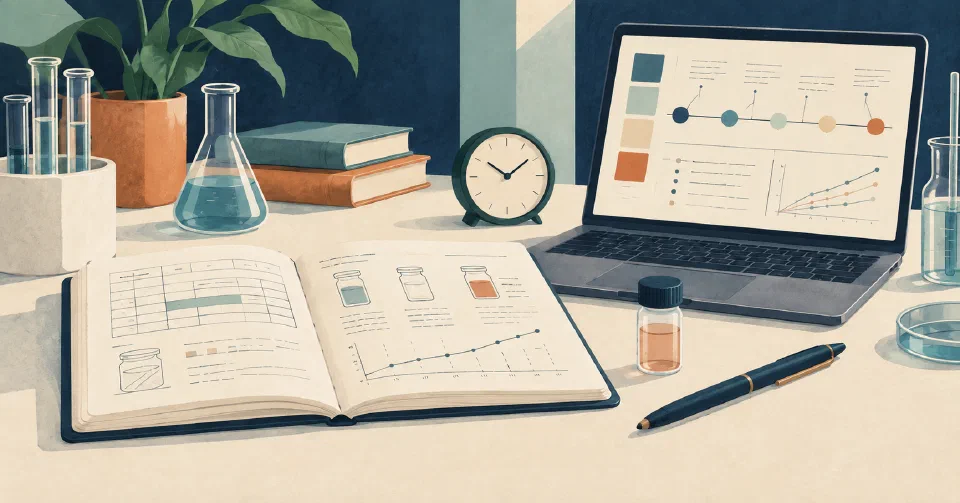
A measurement at 09:10, an entry at 09:25, and a review at 10:00 are different events. A laboratory record should make each understandable.
3 min read
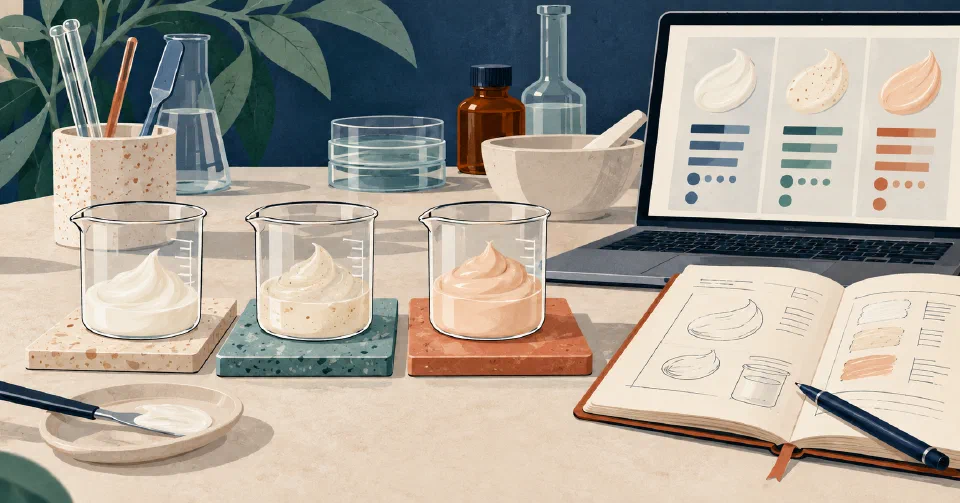
A pilot ticket says version 3, but its quantities match version 4. Here is how clear formula history helps resolve that mismatch.
3 min read
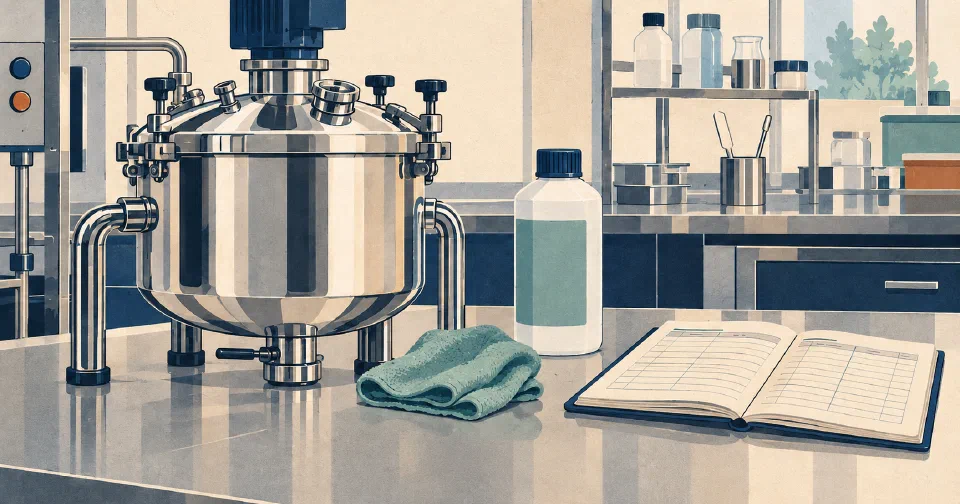
A cleaning log should explain the work and any problem left to resolve. Follow a vessel with residue through the record and its follow-up.
2 min read
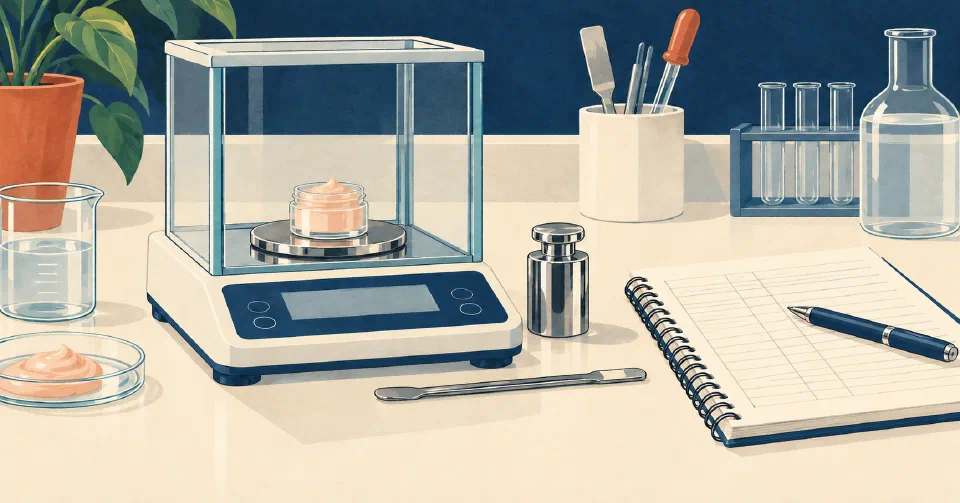
A current service label does not answer today’s readiness question. Check the method, reference materials, readings, and response to a failure.
3 min read
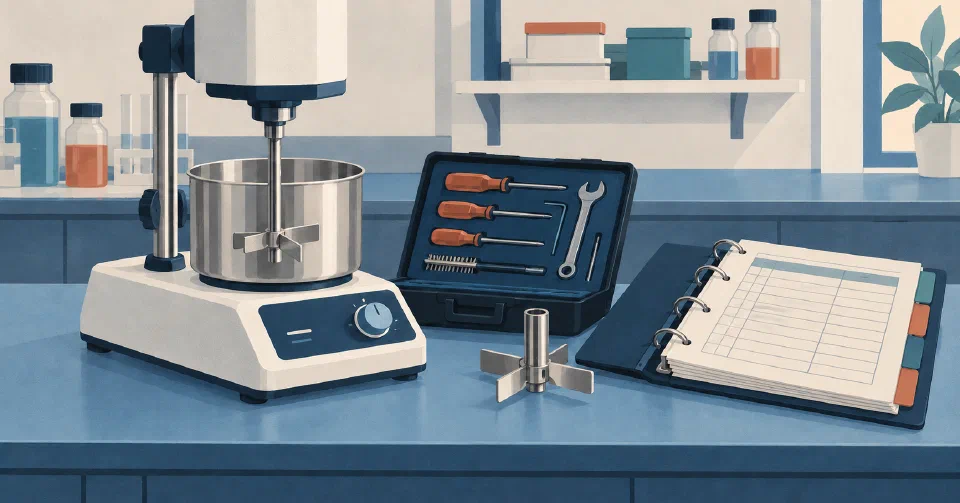
When a mixer fault returns, two entries saying “serviced” are not enough. Keep the findings, repairs, checks, and equipment use together.
2 min read
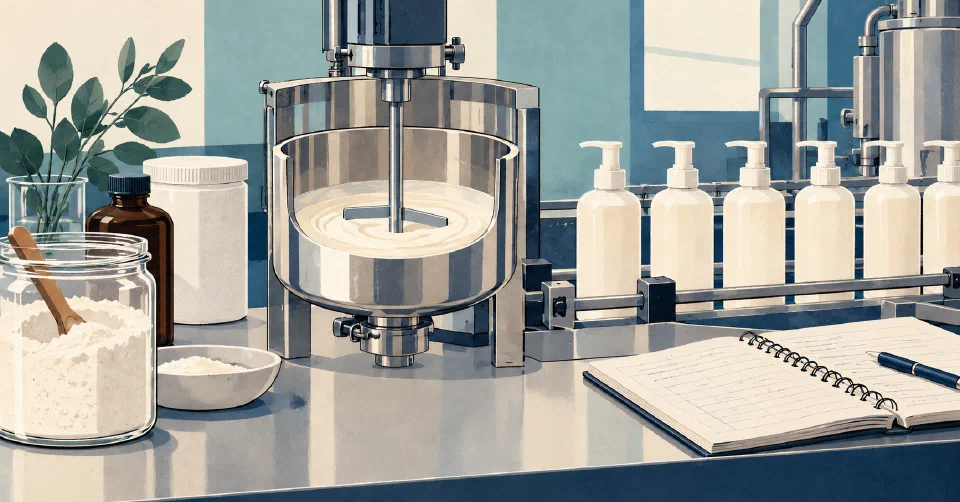
Follow two ingredient lots into one bulk batch and two filling runs to see where traceability records commonly lose the connection.
3 min read
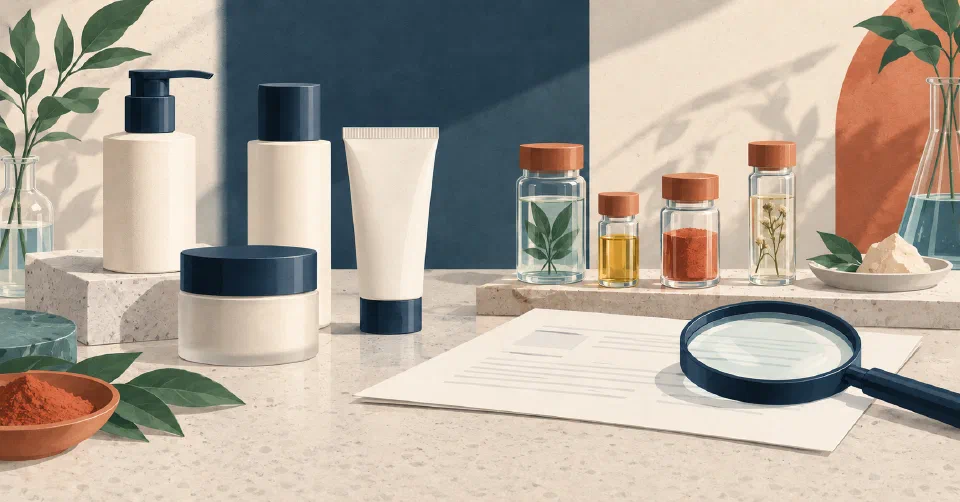
The PFHxA cosmetics restriction applies from 10 October 2026. Check the chemical scope, reporting limits, and evidence for any earlier stock.
3 min read